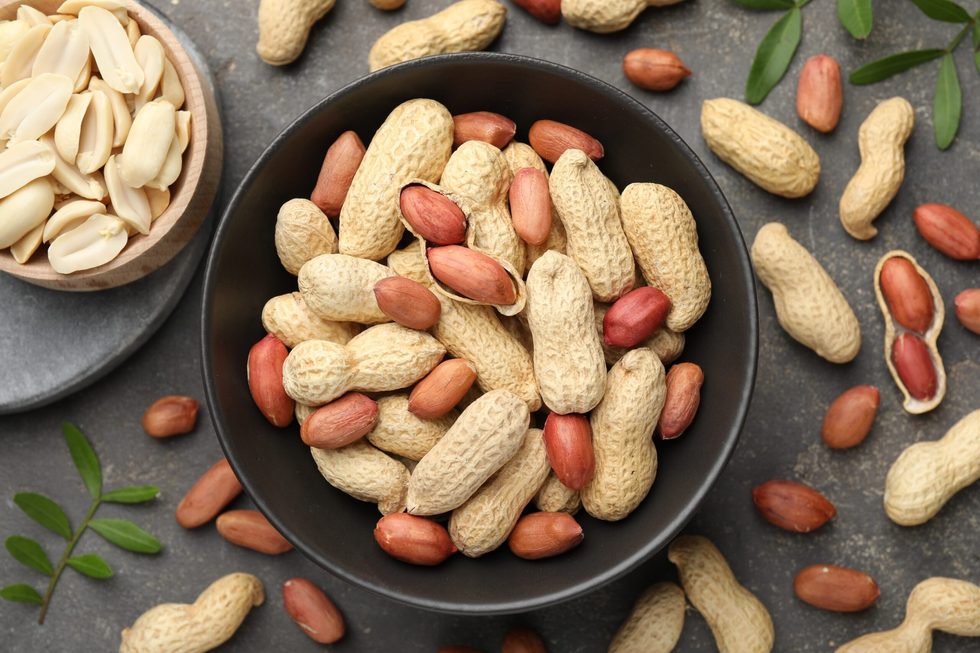
Peanuts have a bit of a reputation problem. They’re packed with protein, healthy fats, and other nutrients, but they’re also relatively high in calories. That leaves a lot of people wondering whether they belong in a weight-loss plan—or whether they’re one of those foods that’s healthy but easy to overdo.
The short answer? Peanuts can absolutely support weight loss, in the right portions. A one-ounce handful provides about 7 grams of protein, 2 grams of fiber, and mostly unsaturated fats—a combination that can help you feel fuller and more satisfied after eating. The key is remembering that they’re calorie-dense, so a little goes a long way.
One interesting twist: despite the name, peanuts aren’t actually nuts. They’re legumes, in the same family as beans and lentils. But nutritionally, they behave much more like tree nuts, which is why you’ll usually find them grouped together in research on heart health, satiety, and weight management.
So, are peanuts a smart snack for weight loss? Here’s what the research says, plus how to enjoy them without accidentally turning a healthy handful into several hundred extra calories.
✅ Quick Answer: Are peanuts good for weight loss
- Yes—peanuts can support weight loss when eaten in moderation. Their combination of protein, fiber, and healthy fats helps you feel fuller and more satisfied, which may make it easier to stick to your calorie goals. The catch is that peanuts are calorie-dense, so portion size matters. Measuring out a one-ounce serving instead of eating straight from the bag can help you enjoy the benefits without accidentally taking in more calories than you intended.
🚀 Weight-loss benefits
- Peanuts help you stay full. A one-ounce serving of peanuts provides about 7 grams of protein, along with fiber and healthy fats. That combination slows digestion and helps keep you satisfied between meals, making it easier to stick to your calorie goals.
- Peanuts are rich in heart-healthy fats. Most of the fat in peanuts is unsaturated fat—the same type found in foods like olive oil and avocados. These fats add staying power to meals and snacks, helping you feel satisfied without relying on foods high in saturated fat.
- Peanuts provide steady energy. Peanuts have a low glycemic index, meaning they raise blood sugar more gradually than many refined snack foods. That slower digestion may help prevent the sharp spikes and crashes that can leave you reaching for another snack soon after eating.
⚠️ Things to be mindful of
- Peanuts are calorie-dense. At about 166 calories per ounce, it doesn’t take much for portions to add up. Eating straight from a shared bowl or a large bag makes it easy to go through two or three servings without realizing it.
- Peanut allergies are serious. Peanuts are one of the most common and severe food allergies. Anyone with a known peanut allergy should avoid peanuts and foods made from them, including peanut flour and peanut oil, unless it’s been confirmed safe for their allergy.
- Adding peanuts without adjusting the rest of your diet may lead to weight gain. One study found that people who added a daily serving of peanuts to their usual diet without cutting back on other foods gained a small amount of weight. Peanuts are more likely to support weight loss when they replace a less satisfying snack rather than simply adding extra calories.
🥗 Nutrition facts for peanuts (per 1 ounce)
| Nutrient | Amount | % RDA* |
|---|---|---|
| Calories | 166 calories | 8% |
| Protein | 7 g | 14% |
| Total carbs | 6 g | 2% |
| Fiber | 2 g | 7% |
| Sugars | 1 g | — |
| Total fat | 14 g | 18% |
| – Saturated fat | 2 g | 10% |
| – Monounsaturated fat | 7 g | — |
| – Polyunsaturated fat | 3 g | — |
| Omega-3 | 0 g | — |
| Omega-6 | 3 g | — |
For about 166 calories per ounce, peanuts provide 7 grams of protein, making them one of the higher-protein plant-based snacks. Along with 2 grams of fiber and healthy fats, that protein helps keep you feeling full and satisfied, which can make it easier to stick to your calorie goals.

The Easy Way
to lose weight and get healthy.
See if you qualify
Peanuts are also relatively low in carbohydrates, with 6 grams per ounce, including just 1 gram of naturally occurring sugar. Most of their 14 grams of fat comes from heart-healthy unsaturated fats, with only about 2 grams coming from saturated fat.
*Recommended dietary allowance (RDA) is defined as the average daily amount of nutrients needed to meet the requirements of nearly all healthy people in a specific group.
💊 Vitamins & minerals in peanuts (per 1 ounce)
| Vitamin/Mineral | Amount | % RDA* |
|---|---|---|
| Manganese | 0.6 mg | 26% |
| Niacin (B3) | 4.1 mg | 26% |
| Copper | 0.17 mg | 19% |
| Vitamin E | 2 mg | 13% |
| Magnesium | 50 mg | 12% |
| Phosphorus | 100 mg | 8% |
| Zinc | 0.9 mg | 8% |
| Thiamin (B1) | 0.09 mg | 8% |
| Folate | 27 mcg | 7% |
| Potassium | 180 mg | 4% |
Peanuts provide more than just protein and healthy fats—they’re also a good source of several essential vitamins and minerals. A one-ounce serving provides about 26% of the Daily Value for both niacin (vitamin B3), which helps your body convert food into energy, and manganese, a mineral involved in bone health and normal metabolism.
A serving also contains copper, vitamin E, and magnesium. Copper helps your body form red blood cells, vitamin E acts as an antioxidant that helps protect cells from damage, and magnesium supports normal muscle and nerve function. Together, these nutrients add to peanuts’ overall nutritional value.
*Recommended dietary allowance (RDA) is defined as the average daily amount of nutrients needed to meet the requirements of nearly all healthy people in a specific group.
🔍 Nutrient breakdown
Glycemic index (GI) of peanuts
Glycemic index: 14 (Low)
💡 Tip: Low-GI foods like peanuts digest slowly, helping keep your blood sugar steady and your hunger in check—both important for successful weight management.
Are peanuts high in protein?
✔️ Yes – Peanuts provide about 7 grams of protein per ounce, making them one of the higher-protein snack options among nuts and seeds. Combined with their fiber and healthy fats, that protein helps keep you feeling full and satisfied, making peanuts a filling choice for a snack or as part of a meal.
Are peanuts high in fiber?
✔️ Not especially, but they do contain some. Peanuts provide about 2 grams of fiber per ounce, which contributes to fullness and supports healthy digestion. Combined with their protein and healthy fats, that fiber helps make peanuts a satisfying snack.
💡 Tip: Pair peanuts with a naturally high-fiber food, like fruit or vegetables, to make your snack even more filling. Try adding them to a salad, sprinkling them over roasted vegetables, or enjoying them with an apple or pear.
Are peanuts low in carbs?
✔️ Yes – Peanuts contain about 6 grams of carbohydrates per ounce, including 2 grams of fiber and just 1 gram of naturally occurring sugar. That relatively low carb content makes them an easy fit for many lower-carb eating patterns.
💡 Tip: A one-ounce serving (about a handful) fits comfortably into most lower-carb eating plans while also providing protein and healthy fats to help keep you satisfied.
Are peanuts gluten-free?
✔️ Yes – Plain peanuts are naturally gluten-free. However, flavored or seasoned varieties may contain gluten-containing ingredients, so it’s important to check the label. If you have celiac disease or a gluten-related disorder, also look for products labeled gluten-free to reduce the risk of cross-contamination during processing.
Are peanuts good for fat loss?
❔ Maybe – Peanuts combine protein, fiber, and healthy fats in a way that helps you feel full and satisfied, which may make it easier to maintain the calorie deficit needed for fat loss. Because they’re calorie-dense, though, portion size is important. Peanuts are most likely to support fat loss when they replace a less filling snack rather than adding extra calories to your day.
💡 Tip: Measure out a one-ounce serving instead of eating straight from the bag. It’s an easy way to enjoy the benefits of peanuts while keeping portions in check.
🍽️ Diet compatibility: Which diets include peanuts?
| Diet | ✅ / ❌ | Why |
|---|---|---|
| Keto | ✅ | Peanuts are low enough in carbs and high enough in fat to fit comfortably into most keto meal plans, and their protein helps preserve muscle during a low-carb calorie deficit. |
| Paleo | ❌ | The Paleo diet excludes all legumes, and peanuts are technically a legume rather than a true nut, so they’re typically left off the list even though people often treat them like other nuts. |
| Mediterranean | ✅ | The Mediterranean diet welcomes legumes and healthy fats as staples, and peanuts’ unsaturated fat content fits right in alongside foods like olive oil. |
| Vegan | ✅ | Peanuts are entirely plant-based, making them a useful way for anyone avoiding animal products to help meet their daily protein needs. |
| Gluten-free | ✅ | Plain, unseasoned peanuts contain no gluten, though cross-contamination and flavored coatings can sometimes introduce it in packaged products. |
Peanuts fit easily into most eating styles built around whole foods and healthy fats, including keto, Mediterranean, and vegan diets. Their protein and healthy fat combination makes them a useful option no matter which of these plans you follow.
The one exception is Paleo, since it rules out legumes altogether, peanuts included. And no matter which diet you follow, plain roasted peanuts are always the better choice over heavily salted, sugar-coated, or oil-fried versions.
🌟 Are peanuts healthy? What are the health benefits
Metabolic health: Are peanuts good for your metabolism?
- Can peanuts give your metabolism a boost? A little. Protein requires more energy to digest than carbohydrates or fat, a phenomenon known as the thermic effect of food. Since peanuts provide a good amount of protein, they may have a small effect on the number of calories your body burns during digestion.
- Do peanuts support insulin sensitivity? Possibly. Peanuts contain magnesium, unsaturated fats, and other nutrients associated with better metabolic health. Some research links regular peanut consumption with improved blood sugar control, but peanuts alone haven’t been shown to reverse insulin resistance.
- Do peanuts affect fat storage? Not directly. Peanuts have a low glycemic index, so they tend to raise blood sugar more gradually than many refined snack foods. But when it comes to fat loss or fat gain, your overall calorie intake matters far more than the speed at which a single food is digested.
💡 Tip: Pair peanuts with a piece of fruit for a snack that balances quick and slow-releasing energy.
Cholesterol impact: Do peanuts affect cholesterol levels?
- Can peanuts lower LDL (“bad”) cholesterol? Likely, yes. Large reviews of studies have found that regularly eating nuts, including peanuts, is associated with modest reductions in LDL cholesterol, though the size of the effect varies between studies.
- Can peanuts raise HDL (“good”) cholesterol? Possibly. Some studies suggest peanuts may help maintain or modestly increase HDL cholesterol, but the evidence is less consistent than it is for lowering LDL cholesterol.
- Overall impact on heart health? Positive. Peanuts are rich in unsaturated fats, fiber, and other nutrients that support heart health. When eaten in place of foods high in saturated fat or refined carbohydrates, they fit well into a heart-healthy eating pattern.
💡 Tip: Choose unsalted or lightly salted peanuts to limit added sodium while still getting their nutritional benefits.
Can I eat peanuts in a calorie deficit?
✔️ Yes. Peanuts can fit into a calorie deficit because their protein, fiber, and healthy fats help keep you feeling full and satisfied. The key is sticking to an appropriate portion, since peanuts are calorie-dense and it’s easy to eat more than you realize when snacking straight from the bag.
💡 Tip: Measure out a one-ounce serving or pre-portion peanuts into small containers or snack bags before you start eating.
Are peanuts rich in antioxidants?
✔️ Yes. Peanuts contain several antioxidant compounds, including resveratrol and phenolic acids. Many of these antioxidants are concentrated in the thin, papery skin, so peanuts with the skin intact generally provide more than blanched varieties.
Do peanuts support gut health?
✔️ Yes, to some extent. Peanuts provide fiber and other plant compounds that can support a healthy gut microbiome. While they aren’t as high in fiber as foods like beans or lentils, they can still contribute to digestive health as part of an overall fiber-rich eating pattern.
Do peanuts support digestion?
✔️ Yes. Peanuts provide fiber, which supports regular digestion, while their combination of protein, healthy fats, and fiber slows digestion enough to help you feel full and satisfied after eating. Although peanuts aren’t especially high in fiber, they can contribute to your overall daily intake as part of a balanced diet.
Do peanuts help you feel satiated and less hungry?
✔️ Yes. Peanuts provide about 7 grams of protein, 2 grams of fiber, and healthy fats per ounce—a combination that helps increase satisfaction after eating. Because they’re calorie-dense, though, it’s important to stick to a one-ounce serving. A measured portion can be satisfying, but eating several handfuls can quickly add more calories than you intended.
Satiety level: High (when eaten in an appropriate portion)
💡 Tip: Measure out a one-ounce serving instead of eating straight from the bag. Whole peanuts may also be a bit more satisfying than peanut butter because they take longer to chew.
Do peanuts help with nighttime cravings?
✔️ Possibly – A small portion of peanuts earlier in the evening can help steady your blood sugar, which may head off the crash that often triggers late-night snacking. Eating a large amount right before bed, though, just adds calories without much extra benefit.
💡 Tip: Keep an evening portion to about half an ounce, roughly 15 peanuts, to get the fullness benefit without overdoing the calories.
Do peanuts help reduce inflammation?
✔️ Possibly. Peanuts contain unsaturated fats, vitamin E, and other plant compounds that have anti-inflammatory properties. Some studies have linked regular peanut consumption with lower levels of certain inflammation markers, but peanuts alone aren’t a treatment for chronic inflammation.
Access GLP-1 Weight Loss with Noom
Explore a wide range of prescription medications supported by Noom’s program.Microdose GLP-1rx
Noom GLP-1rx
Noom GLP-1rx Plus
Wegovy®

Ozempic®

Metformin
Zepbound®
Mounjaro®
Liraglutide

Are peanuts beneficial for brain health?
✔️ Potentially. Peanuts provide several nutrients involved in normal brain function, including niacin, vitamin E, and healthy fats. Research suggests that diets rich in these nutrients are associated with better brain health over time, though it’s the overall eating pattern—not peanuts alone—that matters most.
Can peanuts improve skin and hair health?
✔️ They may help. Peanuts provide vitamin E, healthy fats, and niacin, all of which help support healthy skin. Vitamin E also acts as an antioxidant that helps protect cells from oxidative damage. While these nutrients contribute to healthy skin, peanuts aren’t a substitute for habits like wearing sunscreen or eating an overall balanced diet.
Can peanuts help balance hormones?
✔️ Not directly. There’s no strong evidence that peanuts affect hormone levels. However, they provide healthy fats and magnesium—nutrients that support many normal processes in the body, including energy metabolism and nerve and muscle function. As part of a balanced diet, peanuts can contribute to overall health, but they shouldn’t be viewed as a hormone-balancing food.
💡 Tip: Pair peanuts with a fiber-rich carbohydrate, such as fruit or whole-grain toast, for a balanced snack that provides protein, healthy fats, and fiber.
🍽️ Best ways to eat peanuts for weight loss
- Measure out a one-ounce serving. Pre-portioning peanuts into a small container or snack bag makes it easier to enjoy them without accidentally eating multiple servings.
- Pair peanuts with fruit or vegetables. Enjoy them with an apple, pear, celery, carrots, or bell pepper slices. The extra fiber and volume make for a more satisfying snack without adding many calories.
- Choose whole peanuts over peanut butter when you can. Whole peanuts take longer to chew and eat, which may help you feel more satisfied. If you prefer peanut butter, stick to a measured serving since it’s easy to eat more than intended.
🍏 Peanuts vs. other nuts and legumes (per 1 ounce)
| Food (per 1 oz) | Calories | Carbs | Fiber | Protein | Fat |
|---|---|---|---|---|---|
| Peanuts | 166 cal | 6 g | 2 g | 7 g | 14 g |
| Almonds | 164 cal | 6 g | 3.5 g | 6 g | 14 g |
| Pistachios | 159 cal | 8 g | 3 g | 6 g | 13 g |
| Cashews | 157 cal | 9 g | 1 g | 5 g | 12 g |
| Edamame (shelled) | 45 cal | 3 g | 2 g | 5 g | 2 g |
Peanuts compare well with other popular nuts. They’re similar to almonds in calories and healthy fat, while providing slightly more protein than almonds, pistachios, or cashews on a one-ounce basis.
Where peanuts differ is fiber. Almonds and pistachios both provide more fiber per serving, which may make them a little more filling for some people. If you’re looking for the most protein for the fewest calories, shelled edamame stands out, offering nearly as much protein for far fewer calories.
Rather than thinking of one as “better” than another, consider rotating between them. Peanuts, almonds, pistachios, and edamame all provide a different mix of protein, fiber, healthy fats, and micronutrients that can support a balanced eating pattern.
Frequently asked questions about peanuts and weight loss
How many peanuts should I eat a day for weight loss?
Most studies on peanuts and weight management use servings of 1 to 2 ounces per day (about one to two small handfuls). If you’re trying to lose weight, focus on replacing a less satisfying snack with peanuts rather than adding them to your usual diet.
Is peanut butter as good as whole peanuts for weight loss?
Natural peanut butter made with just peanuts has a nutrition profile similar to whole peanuts. However, it’s easier to eat larger portions because it requires less chewing. Whole peanuts may be slightly more satisfying, but either can fit into a weight-loss plan when you stick to a measured serving.
Can eating peanuts every day cause weight gain?
Not necessarily. Most studies have found that regularly eating peanuts isn’t associated with weight gain when they’re part of a balanced diet. However, adding peanuts on top of your usual diet without reducing calories elsewhere can lead to a small increase in weight over time.
Are salted peanuts bad for weight loss?
No. Salted peanuts have about the same number of calories as unsalted peanuts. However, the extra sodium may contribute to water retention, and some people find salted peanuts easier to overeat. Unsalted or lightly salted varieties are a good choice if you’re watching your sodium intake.
Do peanuts cause bloating?
They can. Some people experience bloating after eating peanuts, particularly in larger amounts. Their fat content slows digestion, and their fiber may also contribute to digestive discomfort in people with sensitive stomachs. Starting with a one-ounce serving may help.
Are peanuts safe for people with diabetes trying to lose weight?
Yes, for most people. Peanuts are relatively low in carbohydrates and have a low glycemic index, making them a reasonable snack for people managing both blood sugar and weight. One six-month study also found that eating peanuts before meals supported weight loss comparable to a standard low-fat diet. As with any food, portion size and overall calorie intake remain important.
🧠 The bottom line: Peanuts can support weight loss, in the right portion
Peanuts can absolutely be part of a weight-loss plan. Their combination of protein, fiber, and healthy fats makes them a satisfying snack, and research suggests they can help promote fullness, which may make it easier to stick to your calorie goals.
Peanuts also provide more than just protein. They’re a good source of nutrients like niacin, manganese, and vitamin E, along with heart-healthy unsaturated fats, making them a nutritious choice as well as a filling one.
The catch is that peanuts are calorie-dense. At about 166 calories per ounce, portions add up quickly. That’s why studies generally find the best results when peanuts replace a less satisfying snack or fit within a person’s daily calorie needs, rather than simply adding extra calories to the diet.
For most people, the sweet spot is a one-ounce serving (about a handful), measured out ahead of time and enjoyed as part of a balanced eating pattern. That simple habit lets you enjoy the benefits of peanuts while keeping portions—and calories—in check.
The Easy Way
to lose weight and get healthy.
See if you qualify📖 Scientific evidence
- Peanut snacks supported weight loss similar to a traditional low-fat diet [Nutrients, 2022]. Adults following a reduced-calorie diet who ate peanuts before two main meals each day lost about the same amount of weight over six months as those following a traditional low-fat weight-loss diet.
- Peanuts helped promote fullness without leading to weight gain [Nutrition Journal, 2013]. In this study, eating peanuts before a meal increased feelings of fullness compared with water, although a calorie-matched grain bar produced an even greater satiety response. Over the eight-week trial, eating peanuts before dinner also didn’t lead to meaningful weight gain.
- Adding peanuts to the diet without cutting calories elsewhere led to modest weight gain [Nutrition Research, 2017]. In this study, healthy adults who added a daily serving of peanuts to their usual diet gained a small amount of weight over time. The findings suggest peanuts are most likely to support weight management when they replace another snack or fit within your daily calorie goals, rather than simply adding extra calories.
- Eating nuts, including peanuts, wasn’t linked to weight gain [Advances in Nutrition, 2021]. Across clinical trials, people who ate nuts, including peanuts, generally did not gain weight, regardless of whether they were told to swap nuts for other foods or simply add them to their usual diet.
- Regular peanut consumption was associated with improved cholesterol levels [Frontiers in Nutrition, 2022]. This review found that eating peanuts regularly was associated with improvements in blood lipids, including lower triglycerides and modest improvements in cholesterol levels. Some studies also reported increases in HDL (“good”) cholesterol, though the results weren’t consistent across all trials.
Editorial standards
At Noom, we’re committed to providing health information that’s grounded in reliable science and expert review. Our content is created with the support of qualified professionals and based on well-established research from trusted medical and scientific organizations. Learn more about the experts behind our content on our Health Expert Team page.